
Access Spring Hill Public Records
The Tennessee Public Records Act makes many state, county, and municipal files open for inspection by Tennessee citizens unless a specific law closes the material. The Office of Open Records Counsel FAQ explains the statewide framework. There is no central Spring Hill repository. The city keeps municipal records, while Maury and Williamson offices divide land, tax, court, probate, marriage, voter, and archive custody by county.
| Spring Hill record | Official keeper | Web route | Access level |
|---|---|---|---|
| City minutes, ordinances, permits | City Recorder or creating department | Document and agenda indexes | Open unless an exemption applies |
| Deeds, liens, plats | Correct county Register of Deeds | County-linked service | Public index; images or service may cost |
| Property assessment | Maury or Williamson assessor | Owner, address, and parcel search | Free current assessment data |
| Trial and probate cases | Correct court clerk | Local access varies | Open unless sealed or confidential |
| Vital certificates | Tennessee Vital Records | Applications, not a recent-name index | Recent copies restricted |
| Custody and registries | Sheriff, TDOC, or TBI | Agency-specific lookups | Public fields with safety limits |
Juvenile and adoption files, expunged cases, sealed documents, protected voter identifiers, recent vital records, some investigative or victim material, and motor-vehicle personal data are not ordinary open-name records. When open and confidential fields share a file, ask the custodian to redact the protected part and release the rest.
Spring Hill Public Records Geography
Spring Hill crosses Maury and Williamson Counties. That line controls which assessor, register, court clerk, archive, and election commission holds a county record. A postal city or ZIP code cannot settle the question. Use a parcel search or GIS boundary before sending a request. City-created material, such as ordinances, municipal citations, planning cases, and city police administrative records, starts with Spring Hill government.
County-counter access also requires travel outside Spring Hill. Maury offices are in Columbia, and Williamson offices are in Franklin. Williamson County also publishes its county request route. Annexation changes city limits but does not transfer a parcel into another county. Keep the county name with every map number, court reference, and deed citation.
Note: A request sent to the wrong government can be delayed even when the record itself is open and easy to describe.
Search Spring Hill Recorded Records
The Maury County Register of Deeds records deeds, deeds of trust, liens, releases, plats, and other land instruments and links a TitleSearcher route. Its public page does not state the exact online start year, result limits, or image price. The office counter at 1 Public Square in Columbia is the fallback. Williamson County offers modern deeds and titles through Professional Access, with published subscription prices of $50 per month for one concurrent user or $100 for unlimited concurrent users.
For older Williamson records, the Williamson Archives name index is a free alternative. It can search a person across all record groups or chosen groups and points to microfilm, a bound volume, or a loose file. Deed index coverage includes 1786, 1792 through 1963, and 1977. The county's historic-property guide places pre-1966 deed research at Archives and later chain work at the Register.
| Archive control | Input type | Required | Use |
|---|---|---|---|
| Name | Text | For name search | Searches personal names across selected groups |
| Record group | Multiple choice | No | Narrows deeds, probate, marriage, burial, and more |
| Browse groups | Browse mode | No | Shows group and date coverage |
An index is a finding aid, not the full legal record. Ask for the actual image or certified copy when the document text, signature, acknowledgment, legal description, or official authentication matters.
Spring Hill Property Records Access
Maury parcels appear in Tennessee Property Assessment Data. A detailed result can contain the January 1 owner, owner mailing address, property location, map and parcel components, appraisal and assessment, subdivision, plat, lot, classification, zoning, building data, utilities, and sales. Williamson's assessor portal searches Owner Name, Property Address, Subdivision, City, Lot Number, Map, Parcel, and sale-date bounds.
Assessment data are public, but they carry a date and purpose. The owner field reflects the assessment roll, not a live title opinion. A mailing address can differ from the parcel location and does not prove occupancy. The recorded deed is the stronger transfer record. GIS helps connect a map location to a parcel; it does not replace the assessment roll or recorded instrument.
- Custodian
- The office responsible for maintaining and responding for a record.
- Index
- A searchable pointer to a record, which may omit the document image.
- Certified copy
- A custodian-authenticated copy used when formal proof is needed.
- Exemption
- A law that closes a record or a specific field from public access.
Spring Hill Court Records Access
Spring Hill City Court holds municipal citation files. Maury and Williamson Circuit, General Sessions, Chancery, Juvenile, and probate matters remain with the proper clerk in the county where the case was filed. No official unrestricted name index covering all of those trial courts was verified. Use a public terminal, counter inquiry, phone call, or document request with the party names, court, approximate filing year, case type, and case number when known.
Tennessee Public Case History is a statewide appellate portal, not a statewide trial-court search. It accepts appeal number, case style, party name, or organization. Coverage begins with appeals whose record was filed after September 1, 2006, and linked filings are mainly available after August 26, 2013. The full originating file stays with the trial clerk.
Sealed material, expunged cases, juvenile and adoption files, and protected parts of family cases remain limited. An absent appeal result says nothing by itself about whether a local trial case existed.
Spring Hill Vital Records Access
Tennessee Vital Records issues birth, death, marriage, divorce, and annulment certificates. Any county health department can issue a registered statewide birth or death certificate. County clerks retain marriage license records, and the trial-court clerk keeps divorce pleadings and decrees. The state certificate is not the full county license packet or court file.
Birth records become public after 100 years. Death, marriage, divorce, and annulment records become public after 50 years under Tenn. Code Ann. § 68-3-205(e). More recent certified copies require a qualified applicant, valid identification, or proof of a personal or property right. The standard state search or certificate fee is $15, including when no matching record is found.
The official Tennessee application page supplies the correct form for each certificate type.
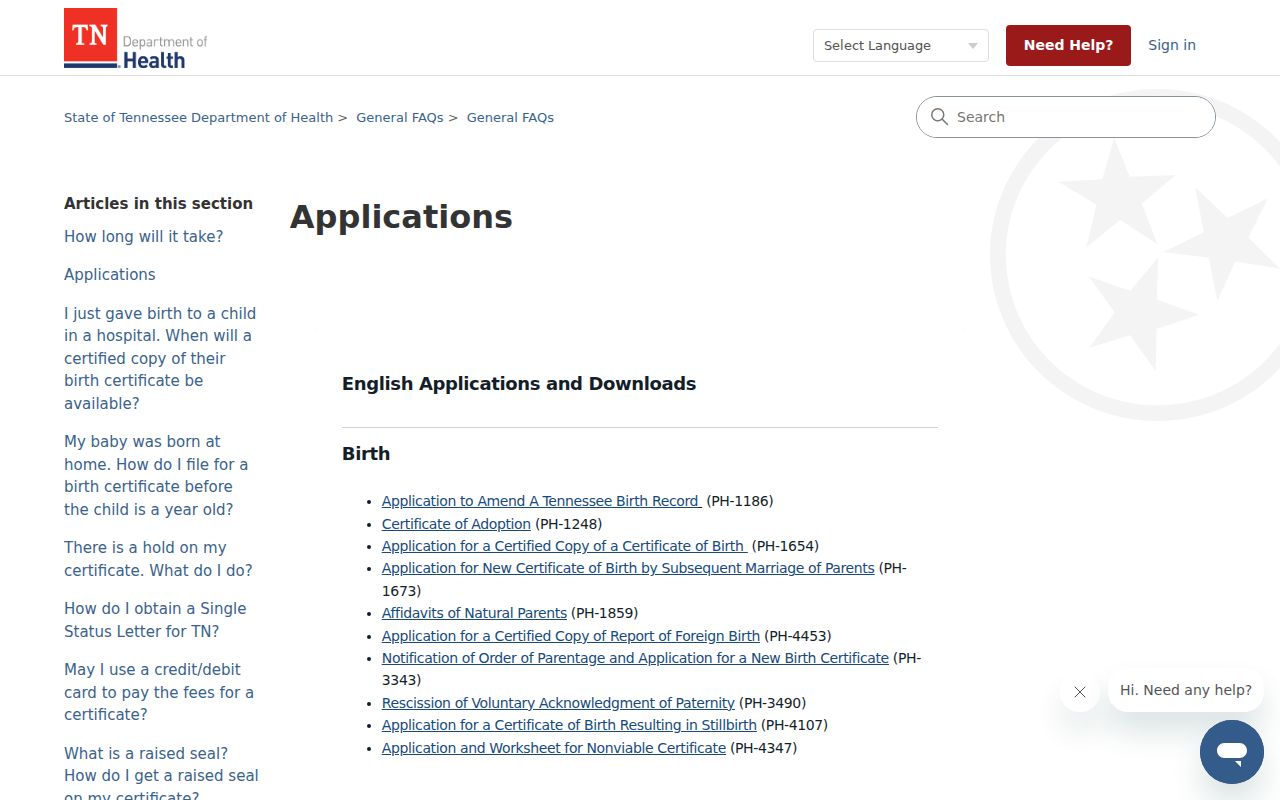
Use the matching form and ordering channel, and use county archives or the Tennessee State Library and Archives after the public-history cutoff.
Spring Hill Custody Public Records
Booking and custody depend on the arresting agency and facility. Maury and Williamson sheriff offices are the local starting points. The Tennessee FOIL route covers people currently or formerly in state felony custody or supervision and may show a photo, status, location, active sentence, parole information, and release data.
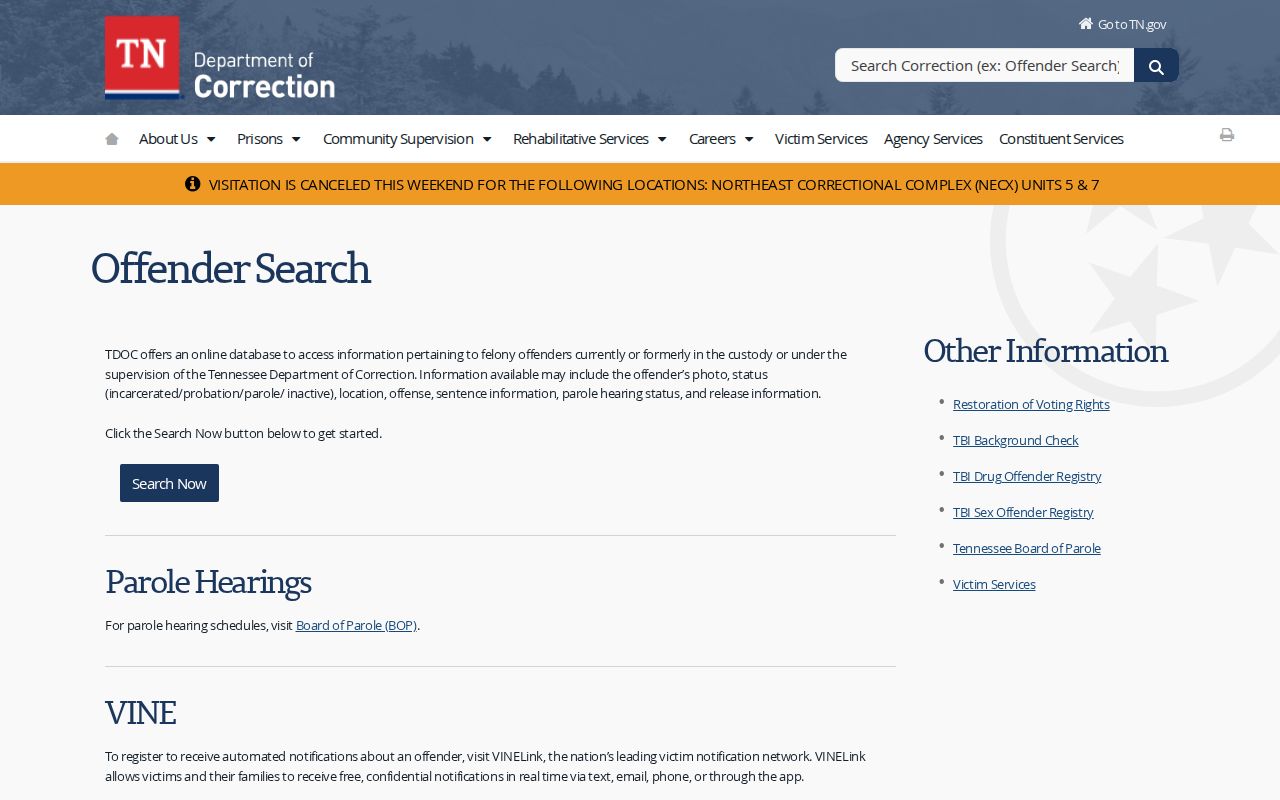
FOIL does not replace a county jail list or local court disposition. A missing result does not prove the absence of a recent arrest, municipal citation, or case.
The TBI Sex Offender Registry accepts combined terms such as a partial name, alias, address, city, county, ZIP, offender ID, status, or offense. County and status filters can narrow the results.
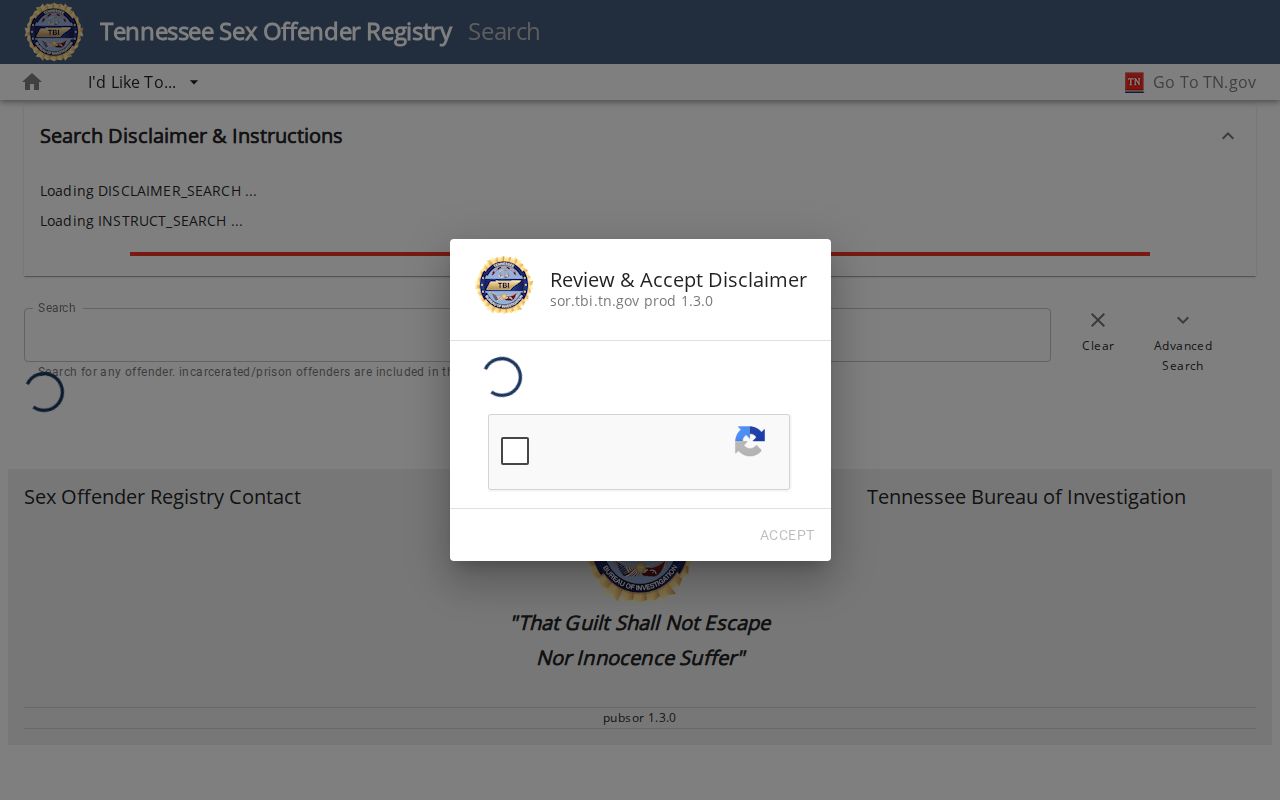
The registry says it updates daily, yet agencies and registrants supply the data. Confirm a result with the registering agency and follow its express anti-misuse warning.
Spring Hill Public Records Offices
Online access is only one channel. Recorder counters, court terminals, archive reading rooms, mail orders, phone inquiries, and focused records requests remain important when an index lacks years, images, or search fields. These contacts cover the main local split.
Spring Hill City Recorder
199 Town Center Parkway, Spring Hill, TN 37174
931-451-0960
Maury Register of Deeds
1 Public Square, Room 108, Columbia, TN 38401
931-375-2101
Williamson Register of Deeds
1320 W. Main St., Suite 201, Franklin, TN 37064
615-790-5706
City Hall is open Monday through Friday from 8:00 a.m. to 4:30 p.m. The two Register offices publish weekday hours beginning at 8:00 a.m.; Maury closes at 4:00 p.m. and Williamson at 4:30 p.m. Confirm holiday closures before counter travel.
Spring Hill Public Records Fees
Inspection is ordinarily free under Tenn. Code Ann. § 10-7-503(a)(7)(A). Copies can carry reasonable actual costs. The official Schedule of Reasonable Charges uses $0.15 per letter or legal black-and-white page and $0.50 per color page, with labor charged only after the first hour at the wage of the employee reasonably needed for the work. An agency's adopted policy or a record-specific statute can control a different charge.
Spring Hill posts $0.15 for black-and-white pages and $0.25 for color. The city's form lets a requester waive an estimate up to a chosen ceiling. Certification, postage, programming, unusual media, and extensive redaction can add authorized costs. Ask for an estimate before committing to copies, and inspect first when only a few pages may be useful.
Different systems have separate prices. Williamson's modern deed subscription is not a public-record copy fee, and the $15 vital certificate search belongs to state vital-record law. Never apply one office's price to another custodian.
Request Spring Hill Public Records
The Tennessee Public Records Act, Tenn. Code Ann. §§ 10-7-501 through 10-7-512, grants Tennessee citizens access to open government records. A custodian may ask for photo identification showing a Tennessee address. The law requires prompt action. If prompt production is impracticable, the office has seven business days to produce the record, deny it in writing with the legal basis, or state how much more time is reasonably necessary.
Spring Hill says most city requests finish within 72 hours, but that is a local service norm, not a guarantee. The city open-records policy sets the coordinator and custodian workflow. Its request form supports inspection or copies and asks for the record type, dates, subject matter, keywords, delivery preference, contact information, and citizenship response.
- Identify the city department or the Maury, Williamson, or state custodian that created and keeps the record.
- Check its index, catalog, or public terminal so the request can name a case, parcel, instrument, person, date, or series.
- Ask to inspect or request copies through the office's form, mail, electronic, or counter channel.
- Review the estimate, narrow the date or document range if needed, and specify whether certification is required.
- If access is denied, request the written legal basis and release of any reasonably segregable open part.
Lawful personal use. Open access never permits stalking, harassment, threats, intimidation, or an attempt to uncover a protected address.
Review Spring Hill Records Denials
A denial should identify the statute or other authority supporting it. Ask whether only a field or page is exempt and whether the balance can be released with redactions. Preserve the original request, date received, estimate, response, and each narrowing offer. Those details help distinguish a lawful confidentiality rule from a routing or scope problem.
The Tennessee Office of Open Records Counsel provides informal guidance and mediation through its online inquiry channel, but it does not hold Spring Hill records or issue binding orders. A requester may petition circuit or chancery court under Tenn. Code Ann. § 10-7-505. Courts hear those cases promptly and may award reasonable attorney fees in qualifying cases involving a willful refusal made with knowledge that the record was public.
Often the fastest correction is practical: confirm the county, name the record instead of asking a broad question, separate inspection from copies, and give a date range. That keeps the request tied to an existing file the custodian can locate.